
How to Transition Your Pet from Kibble to Raw Food (7-Day Plan)
Is your dog scratching nonstop, looking dull, or running low on energy? Kibble could be the reason. Most dry foods are cooked at high temperatures, which destroys essential vitamins and minerals your dog needs. Moving to a raw diet changes the game by providing fresh, bioavailable enzymes and proteins.
But making the switch isn’t as simple as just swapping bowls overnight. You need a solid plan to avoid digestive detox and ensure your dog’s gut stays happy. This raw feeding transition guide will walk you through the process step-by-step. Let’s look at how to switch dog to raw food the right way for a lifetime of health.
Why You Should Never Switch to Raw Overnight
If your dog eats dry food long-term, their gut adapts to digesting grains and starches. Changing to raw overnight disrupts this balance, as the gut cannot handle dense proteins and fats immediately. This sudden change often causes digestive stress due to:
- Digestive Speed: Kibble digests slowly and stays in the gut longer. Raw food moves through the digestive tract much faster.
- Stomach Acidity: Dogs fed kibble usually have a less acidic stomach environment. Raw diets require higher stomach acidity to break down bone and manage natural bacteria.
- Enzyme Production: Your dog’s pancreas needs time to stabilize its enzymes. Kibble is broken down by starch-digesting enzymes, while raw food requires protein-digesting enzymes. Switching too quickly can upset this whole process.
Ignoring these factors can cause gas, bloating, or vomiting as your dog’s stomach struggles to adjust. Following a raw feeding transition guide lets your dog’s gut microbiome adapt safely.
Why You Should Transition Dog from Kibble to Raw
When you follow a raw feeding transition guide for your dog, your furry friend enjoys a number of benefits, including:
- Stronger Immunity: Gradually transitioning your dog from kibble to raw helps maintain a balanced gut microbiome, which is key for overall immune health.
- Reduced Allergies and Sensitivities: Raw diets can decrease reactions to fillers, preservatives, and artificial ingredients often found in kibble.
- Healthy Weight Maintenance: Nutrient-dense raw food supports your dog in maintaining an ideal weight. It also aids in lean muscle development and prevents excess fat buildup.
The 7-Day Raw Feeding Transition Guide
Here’s a simple, step-by-step raw feeding transition guide that shows how to switch dog to raw food within a week:
Days 1–3: Feed 25% Raw Food, 75% Old Kibble
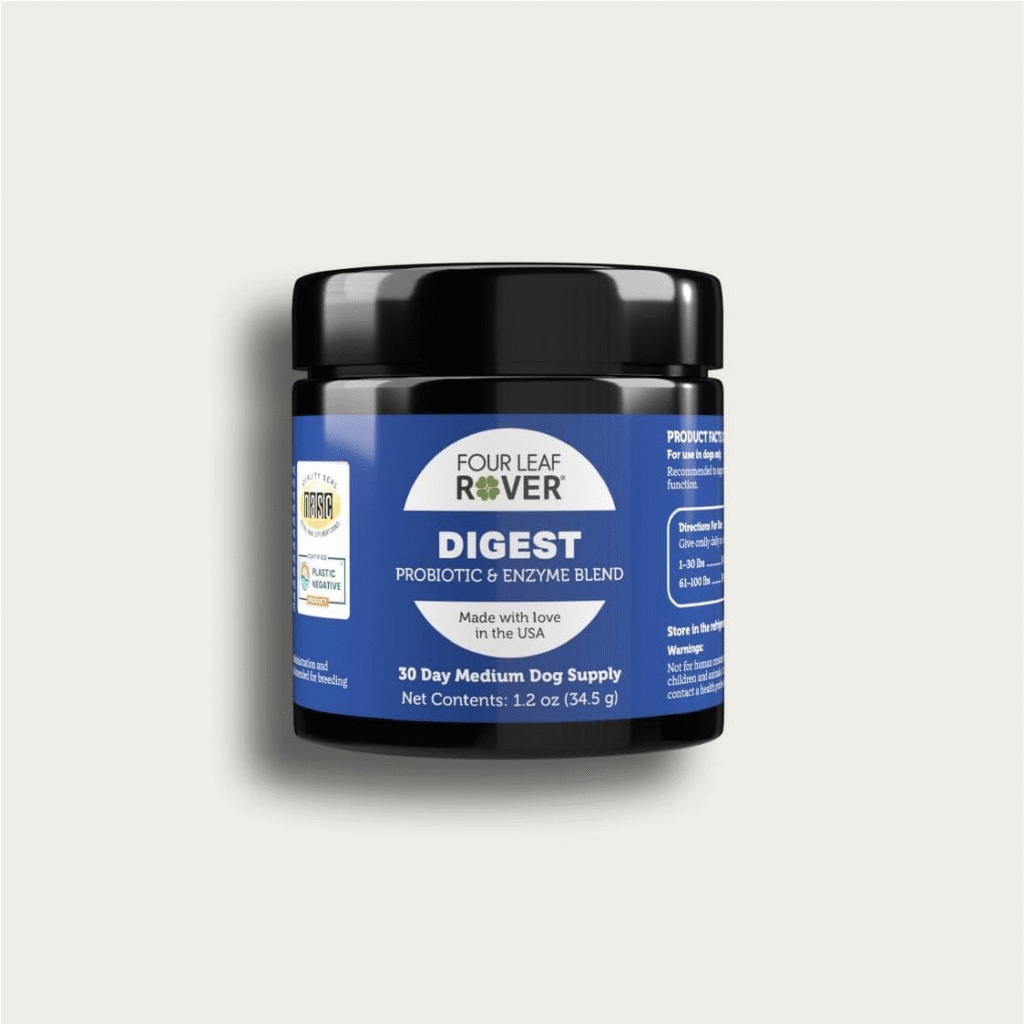
Start by mixing 25% raw food with 75% of your dog’s current kibble. For example, combine ¼ cup of the new food with ¾ cup of the old. To smooth digestion during this phase, add a small amount of digestive enzyme such as Four Leaf Rover Digest Probiotic & Enzyme Blend. Expect minor changes in stool and appetite at first; this is normal, so don’t panic.
Day 4–6: Feed 50% Raw Food, 50% Old Kibble
Now, try feeding equal parts of each. For example, mix 50% raw food with 50% kibble, or half a cup of each in a bowl. Continue monitoring your dog’s appetite, stool, and energy levels during this phase.
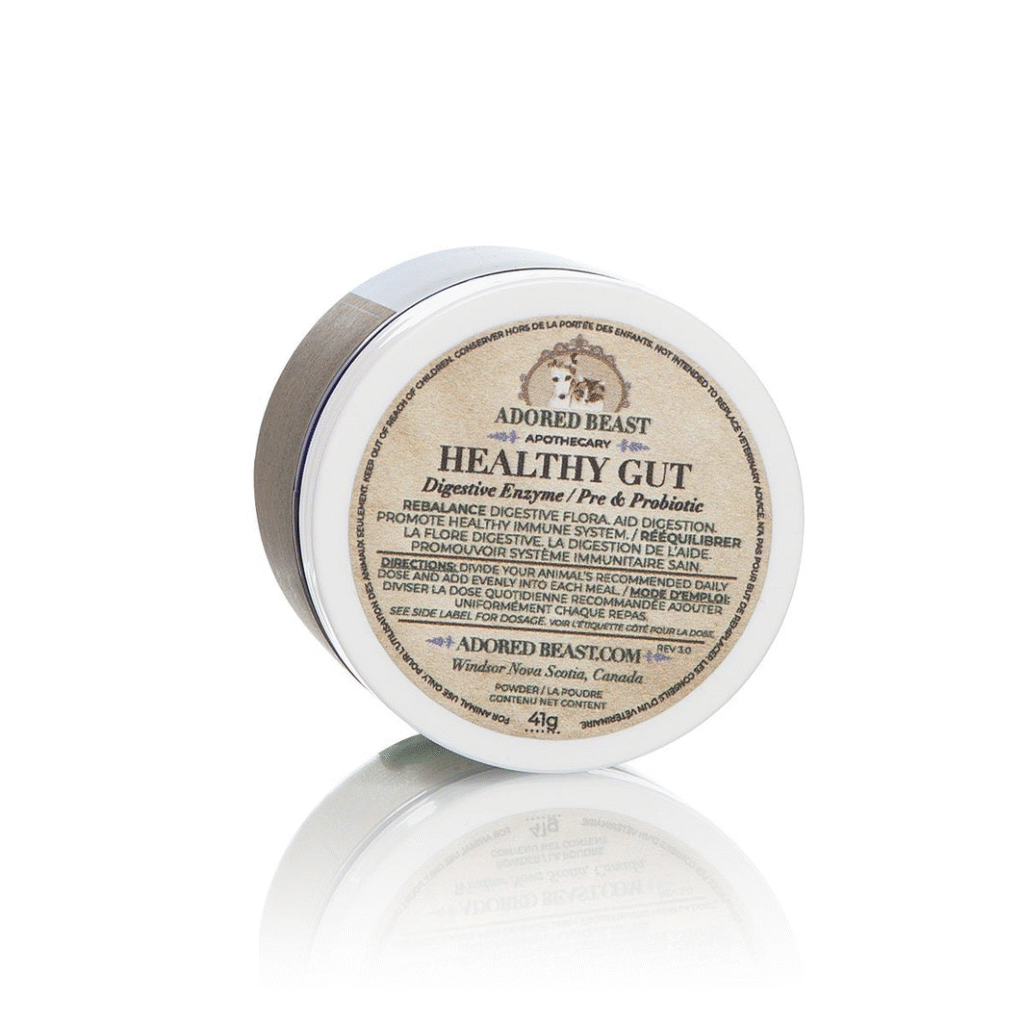
To have your dog digest their new meals without discomfort, consider adding digestive enzymes to their diet. A supplement like the Adored Beast’s Healthy Gut can provide great help as you transition dog from kibble to raw.
Day 7–9: Feed 75% Raw Food, 25% Old Kibble
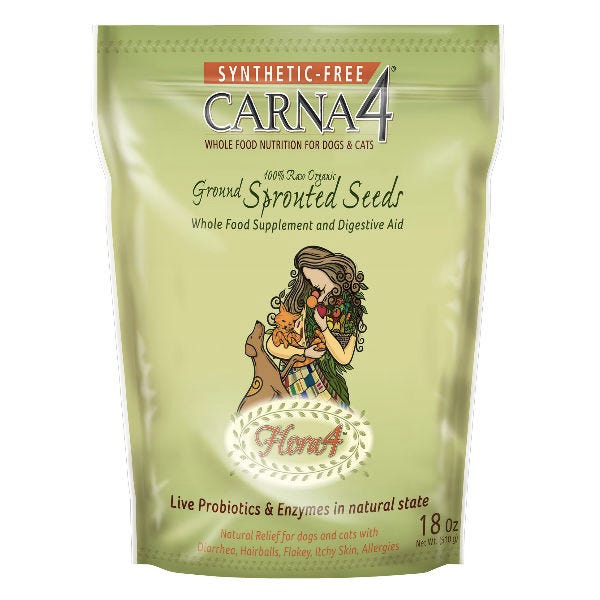
Adjust the meal to ¾ cup of raw food and ¼ cup of the old kibble. A larger portion of raw food can sometimes be less appealing to your dog at first. To encourage eating, top the meal with something nutritious and tasty, like Carna4 Flora4 Ground Sprouted Seeds Food Topper. These toppers don’t just enhance flavor; they also improve metabolism and overall health.
Day 10+: Feed 100% Raw Food
Congratulations! Your dog is now fully on a 100% raw food diet. At this stage, digestion should be stable, energy levels steady, and you may notice improvements in coat, skin, and overall vitality.
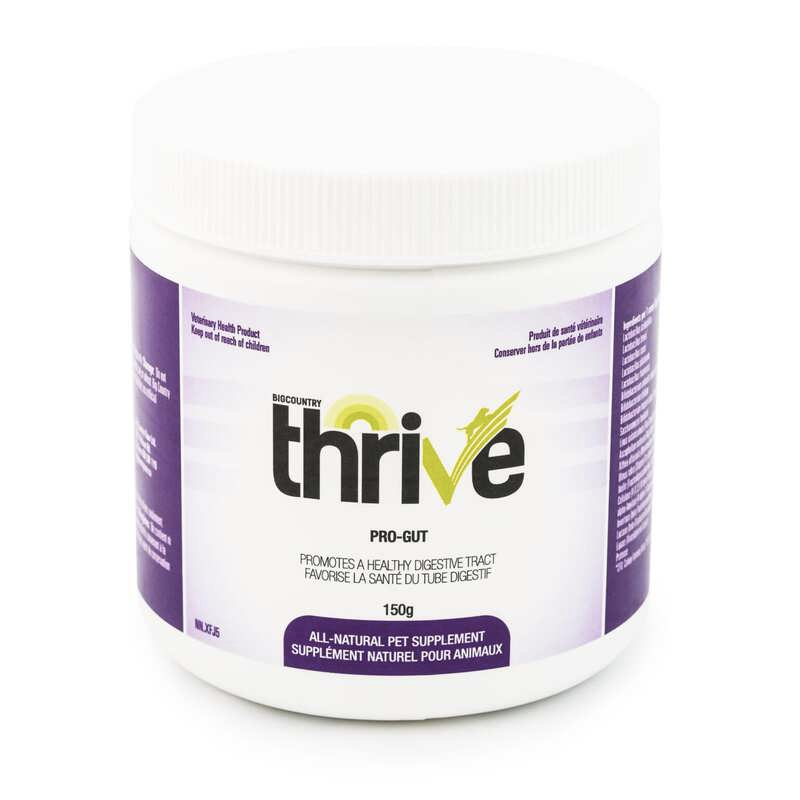
To promote ongoing gut health, continue using a probiotic like Thrive Pro-Gut probiotic to maintain your dog’s long-term wellness. Especially if you have a senior dog in your family, never skip probiotics. They are crucial for keeping their digestive system balanced and healthy.
Is Your Dog Resisting the Raw Food? Here’s the Fix
If your dog is hesitant to eat raw food, try these tips:
- Sear the Meat Slightly: Lightly searing raw meat can release a stronger aroma and make it more appealing.
- Add Bone Broth: Pouring a little warm bone broth over the raw food can enhance flavor and aroma. It also adds nutrients and keeps meals tempting, especially during the early days of transition.
- Set Consistent Meal Times: Feed your dog at the same times each day and avoid giving treats or snacks before meals. This lets your dog focus on the new food and builds a healthy eating routine.
Normal but Unusual Behaviors as Your Dog Adapts to Raw Food
When switching from kibble to raw food, your dog might act a little differently than usual. These changes are often normal and part of the adjustment process, which may include:
- Excitement at Mealtime: Once your furry friend gets used to the aroma and flavor of raw food, he will eagerly look forward to every mealtime.
- Drinking Less Water: Raw food contains more moisture than kibble, so your dog may need less water to stay hydrated.
- Unusual Stool or Gas: Loose stools or occasional gas may appear as your dog’s gut adapts to new proteins and fats. This usually stabilizes within a week or two, and if it persists, contact your veterinarian.
Final Words
When you transition dog from kibble to raw, you set them up for stronger digestion, higher energy, and a healthier coat. By following this raw feeding transition guide, you make the process safe and enjoyable for your furry friend. With a structured approach, patience, and careful observation, you’ll know exactly how to switch dog to raw food successfully.
Get ready to watch your dog thrive and enjoy the benefits of a happier, healthier companion.